Jurassic World Rebirth UI Designs
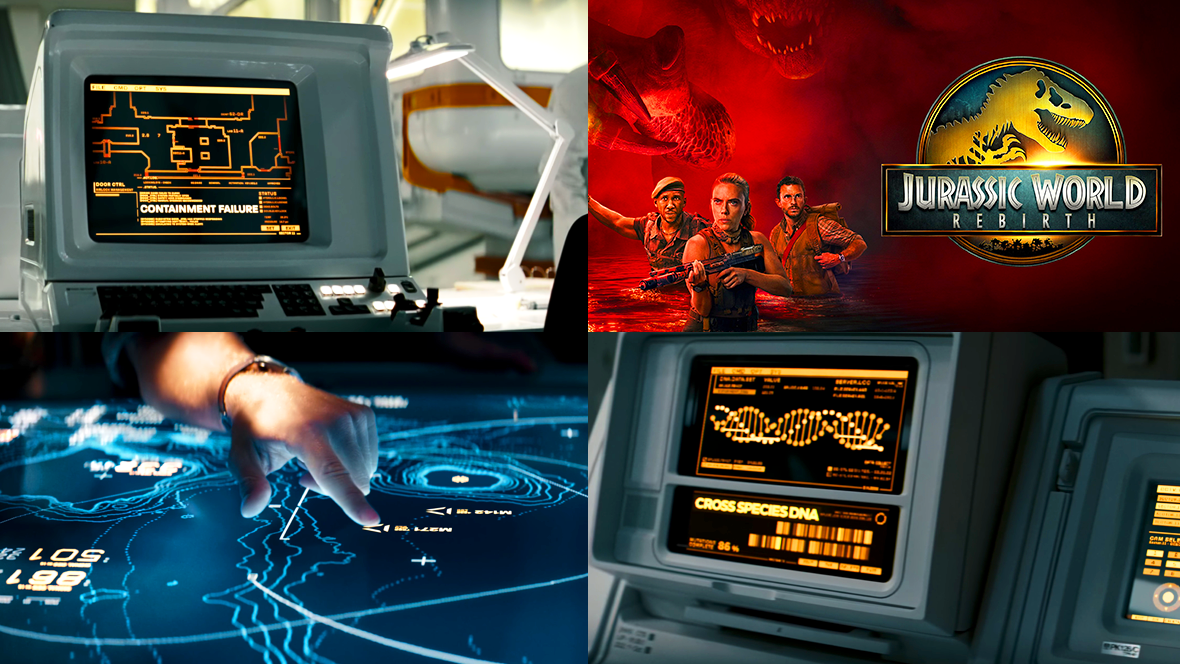
Jurassic World Rebirth features a collection of interfaces that help sell the plausibility of its fictional world.
From the amber-toned control systems monitoring the island's infrastructure to a digital chart table aboard the expedition boat, these interfaces offer a glimpse into the technological sophistication of the world, helping make Île Saint-Hubert feel like a believable place.
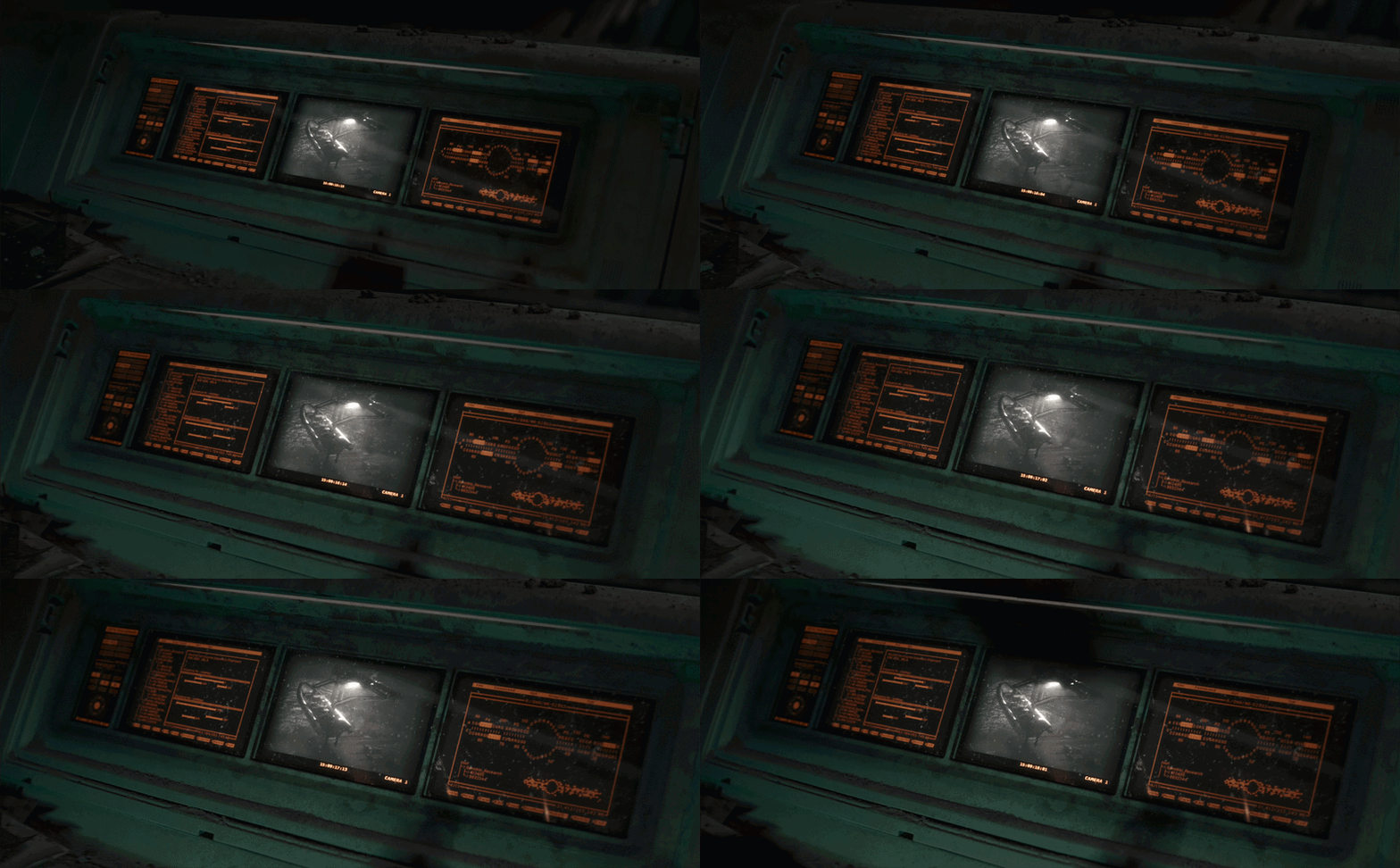
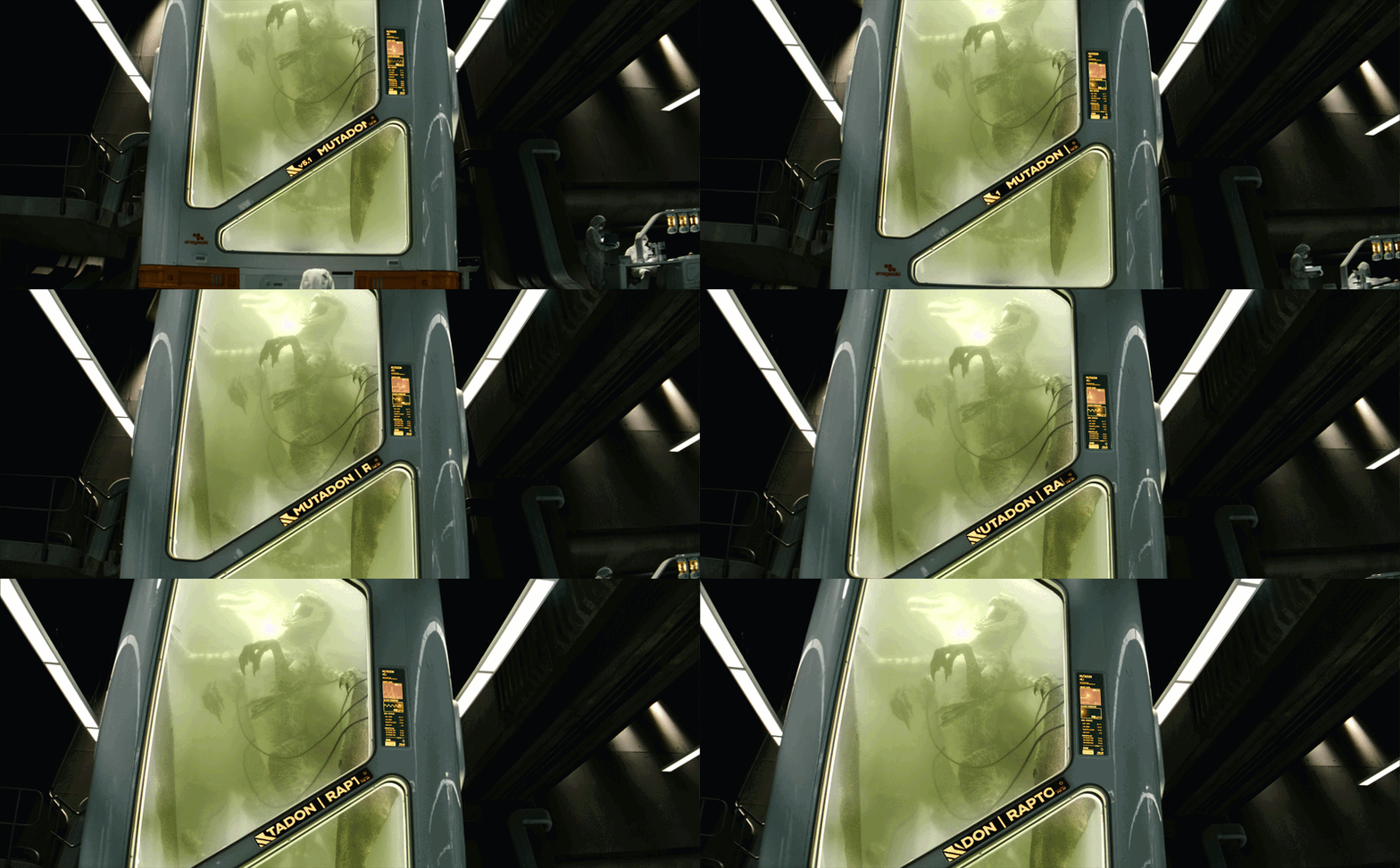
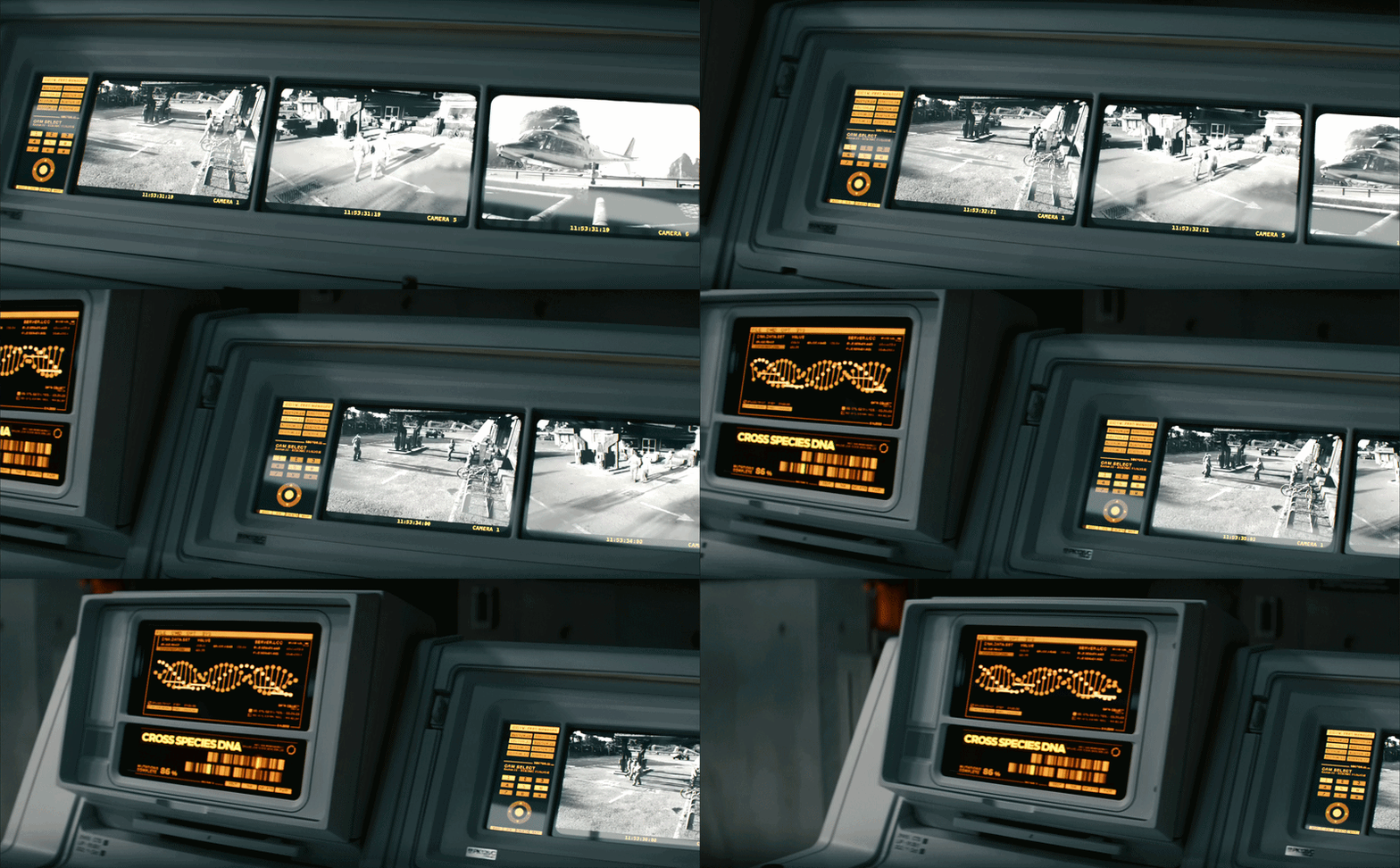
The island control system (Île Saint-Hubert)
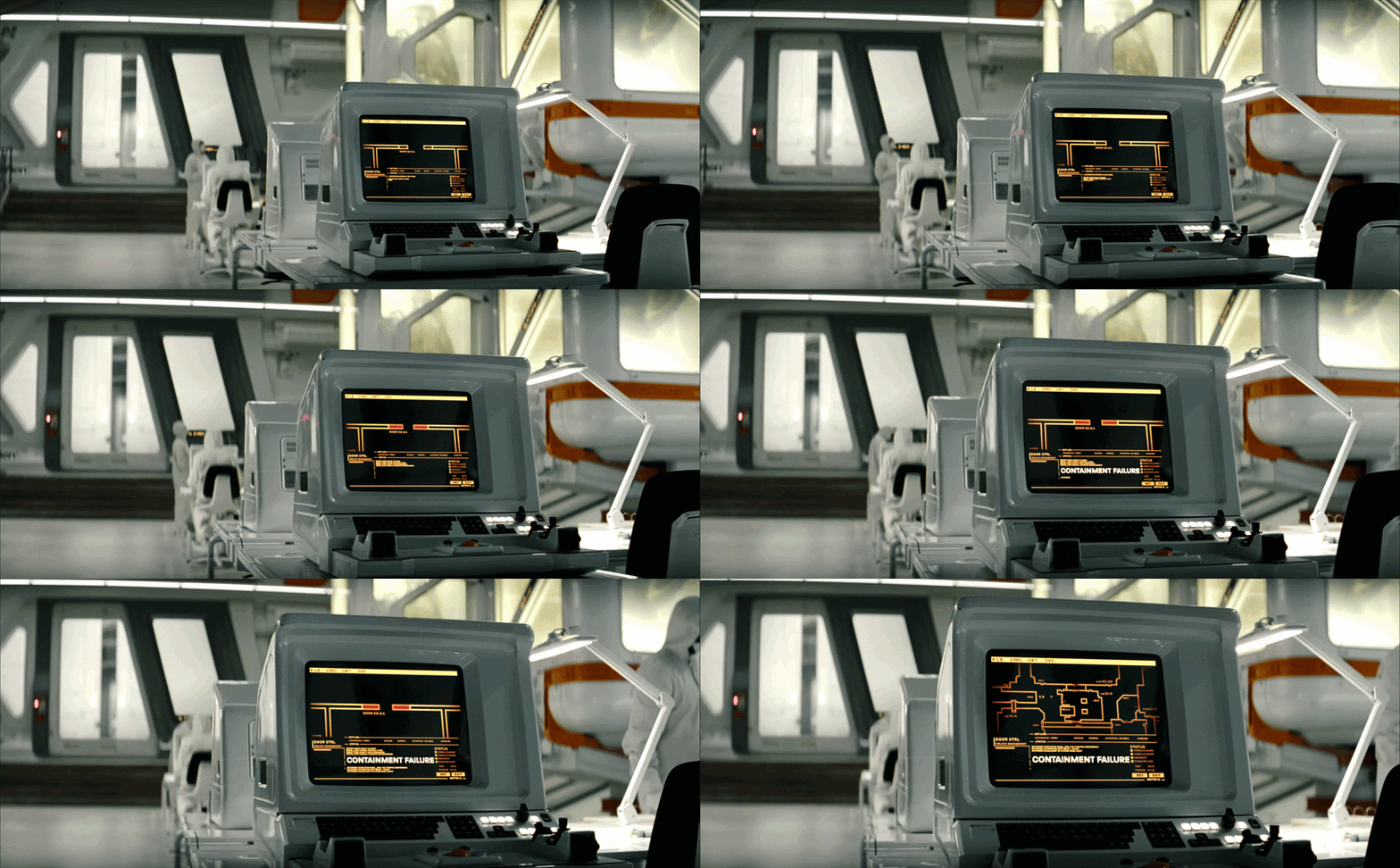
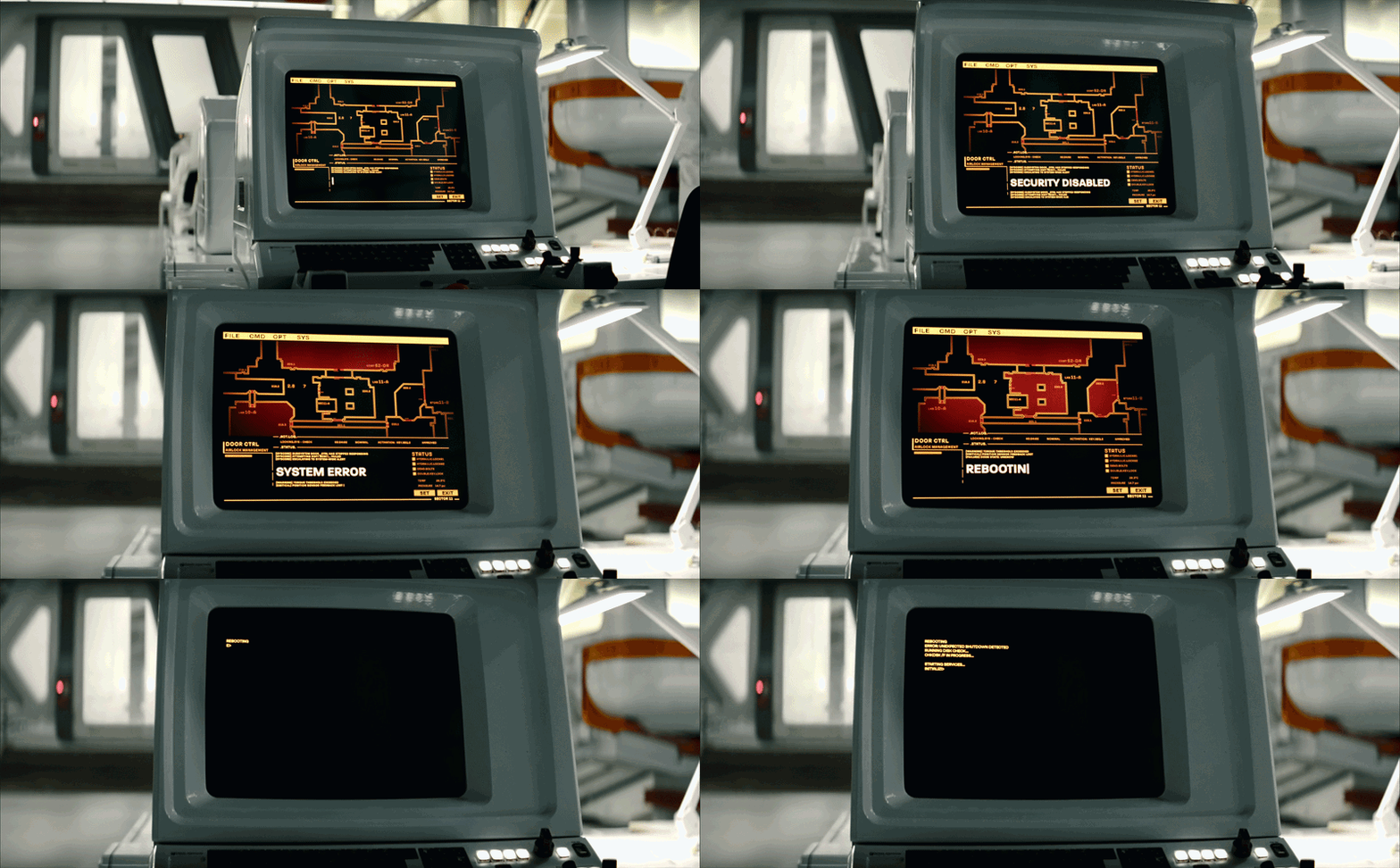
The first thing that stands out is the colour palette. Almost everything is built around shades of amber and gold, giving the interface a warm but highly functional appearance.
The color choice could be inspired by the fossilised amber that made Jurassic Park possible. It's a visual motif that appears throughout the film, most notably in the amber-topped cane carried by John Hammond, the creator and CEO. Whether intentional or not, the colour creates a strong visual identity while establishing a visual thread between the island's technology and its origin story.
Visually, the interface is quite utilitarian. Large technical diagrams, system readouts, wireframes and schematics dominate the screens. There are very few decorative elements competing for attention.
What's interesting here is that the designers never try to make the technology feel futuristic for the sake of it. Instead, it looks like software built by engineers for scientists. Every display exists to monitor systems, communicate information or help operators understand what's happening across the island.
Rather than drawing attention to itself, the interface quietly supports the world around it.
Digital charting table
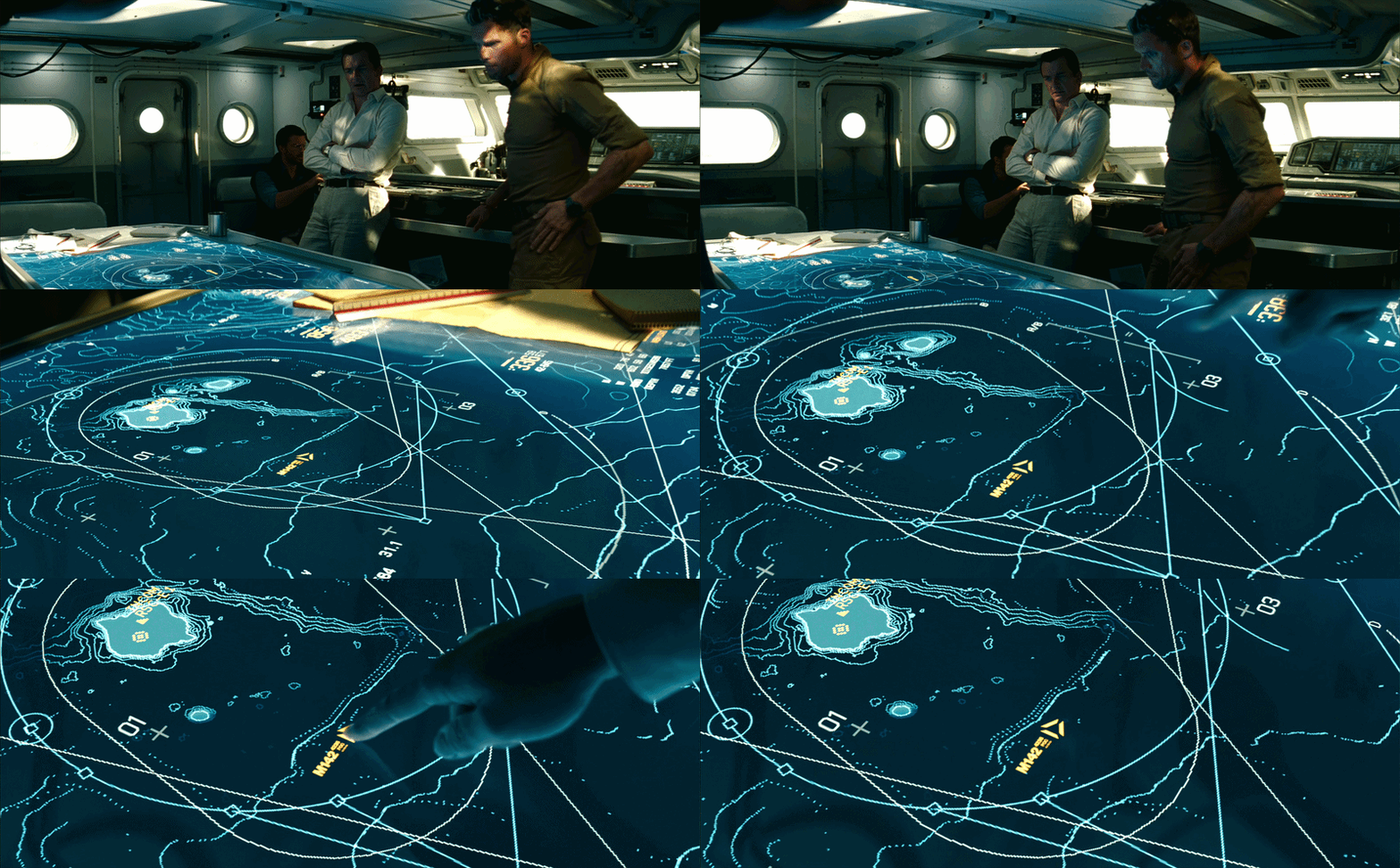
The other major interface appears aboard the expedition boat as the team surveys the surroundings.
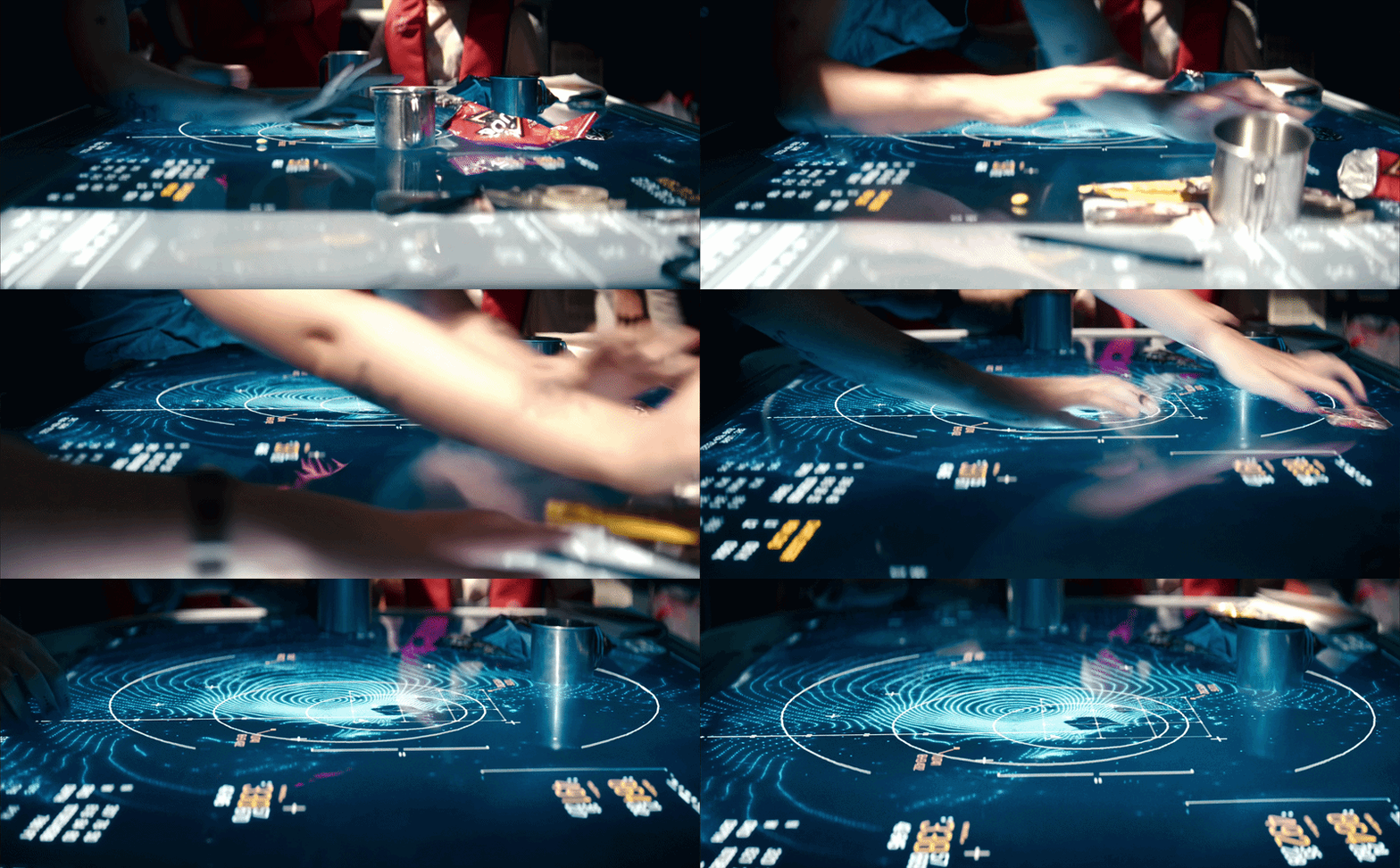
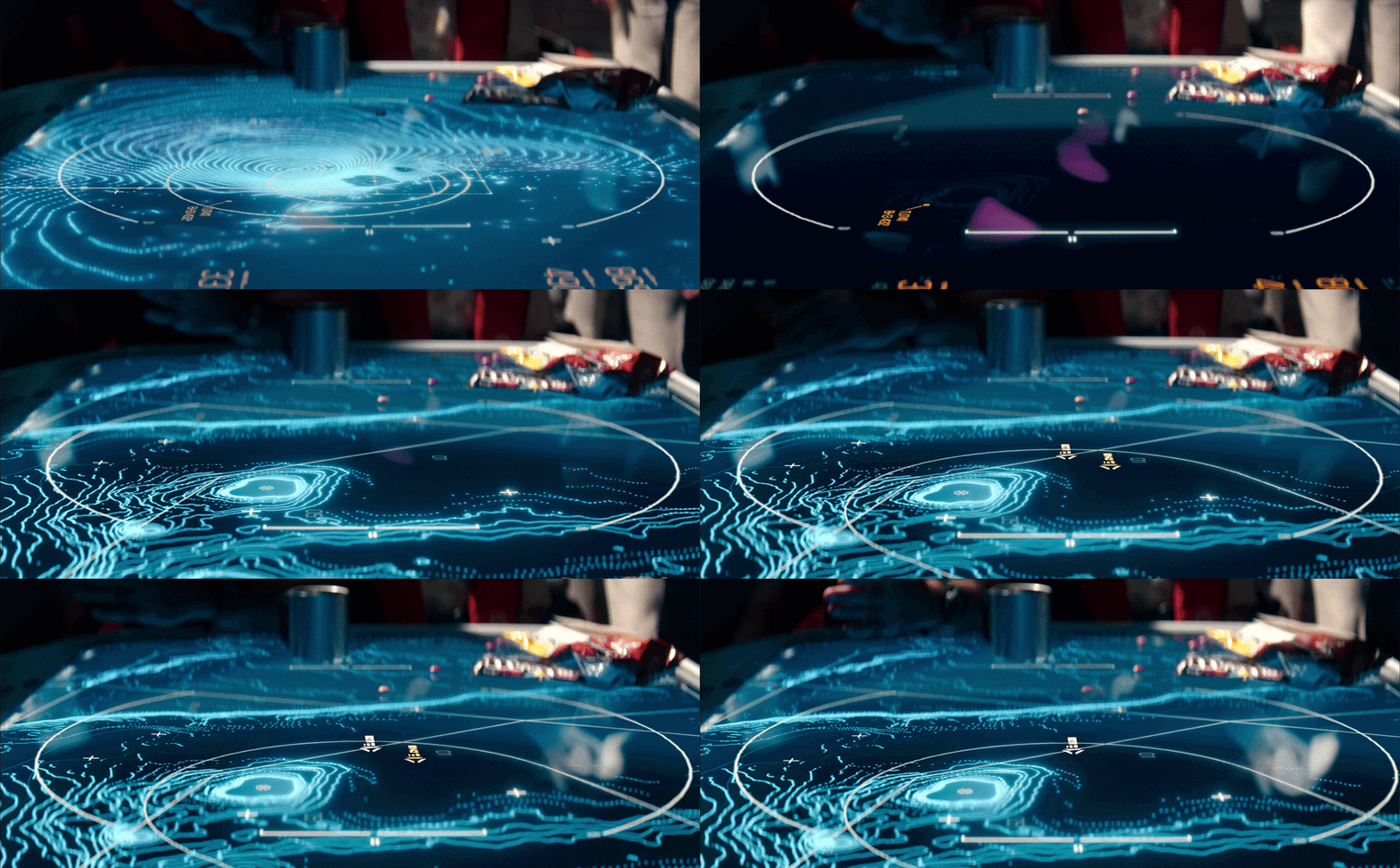
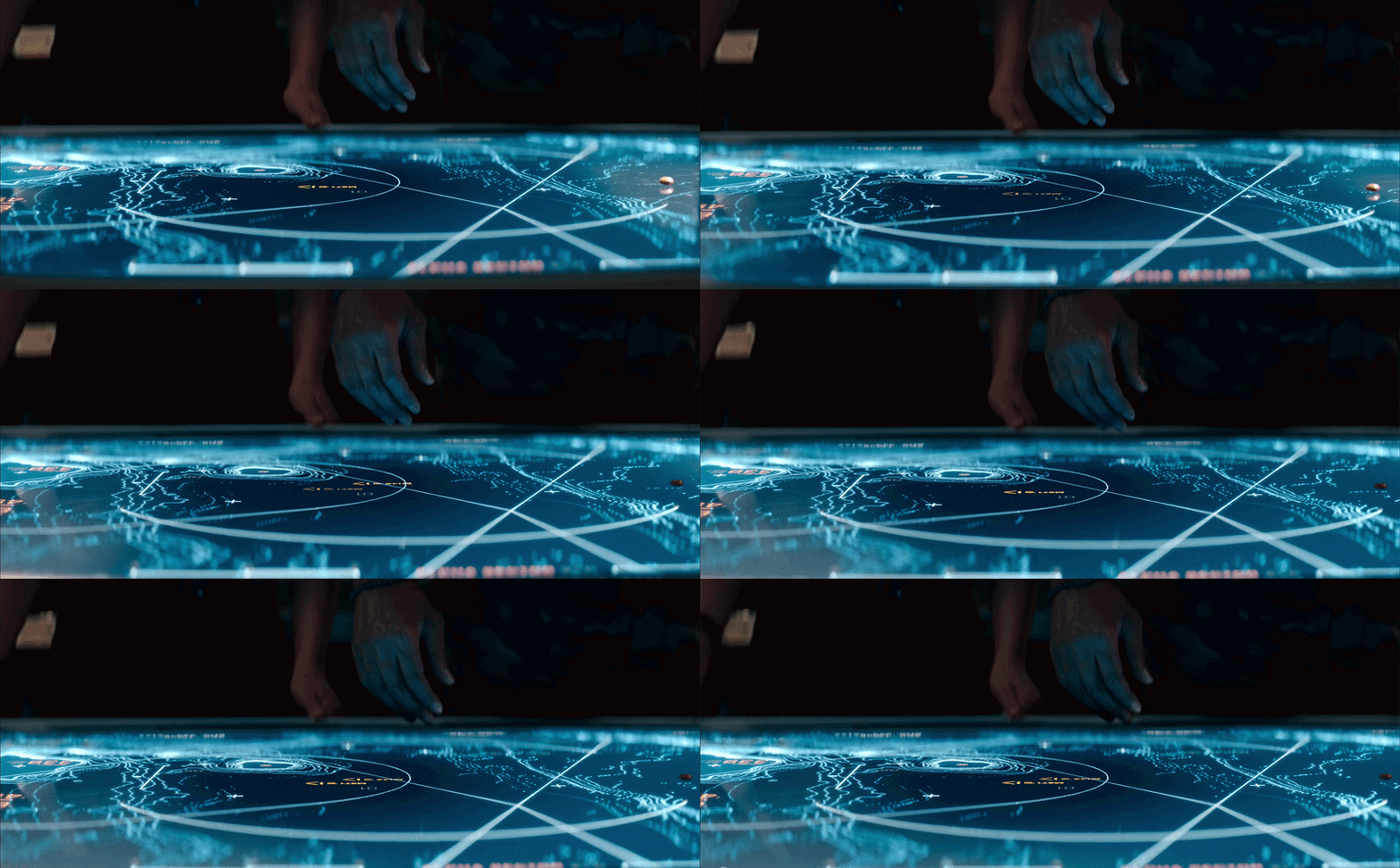
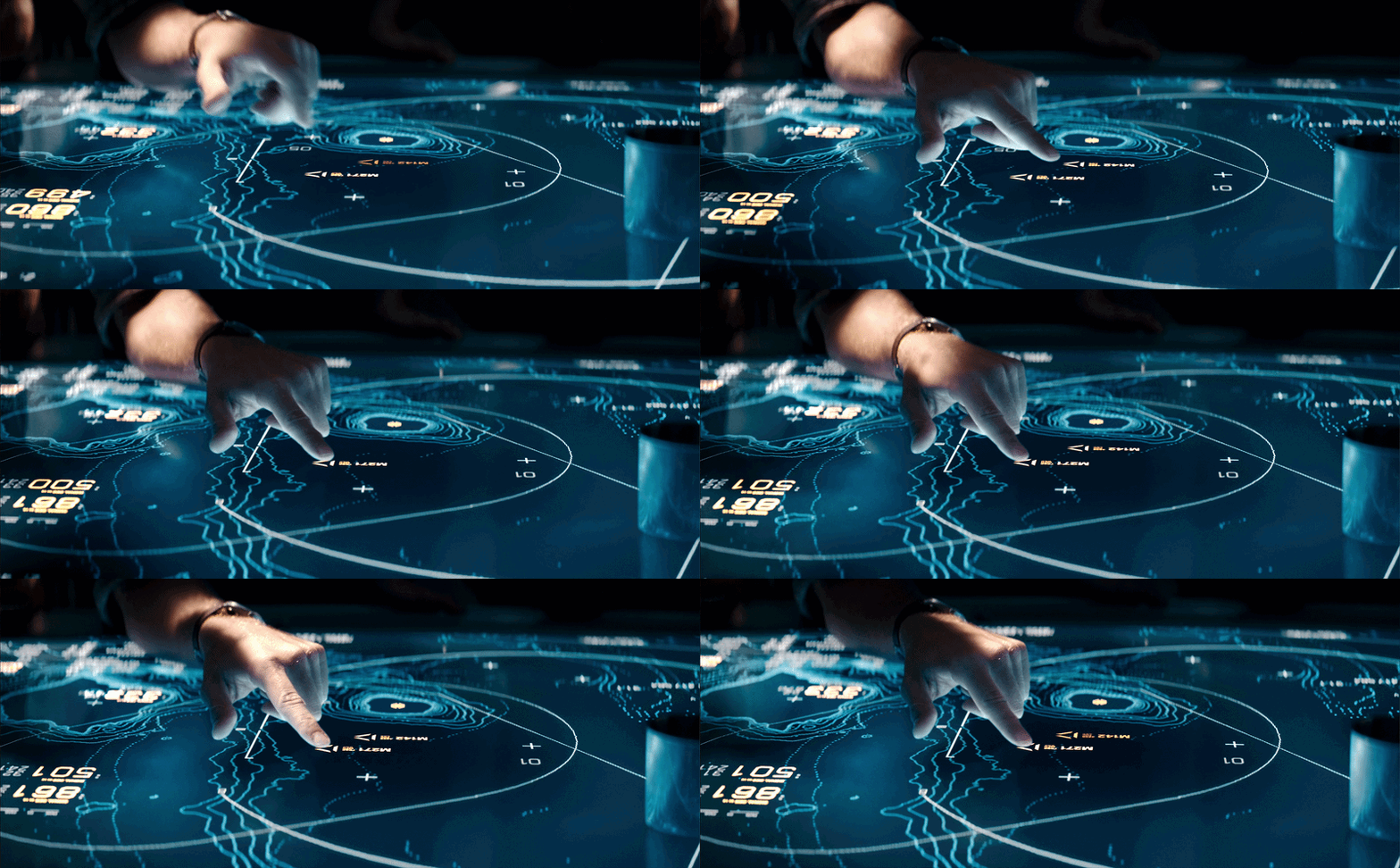
It is a large digital table built around a topographical map. Layers of geographic information are overlaid across the terrain, creating an operational view of the island that feels like a mix between a nautical chart and a GIS (Geographic Information System).
What I like about this interface is the sense of journey it creates. It helps plot routes, identify landmarks and communicate the expedition ahead.
Interestingly, the interface isn't portrayed as particularly interactive. There are no elaborate multitouch gestures or cinematic animations. Instead, it functions as a shared reference point, a collaborative planning surface that helps everyone understand the landscape before making decisions. That restraint also makes practical sense, reducing the chance of accidental inputs while several people gather around the display.